Coochiemudlo Island
Native Plant Nursery
~ Open Tuesday mornings 9 to 11 ~

We acknowledge the Quandamooka people, the traditional owners of the land on which our nursery is located. We pay respect to their culture and to Elders past and present.
Nursery News
Coochiemudlo's orchids
We are very lucky here on Coochiemudlo to have a small number of orchid species still growing in the wild. Globally, however, orchids are the most threatened flowering species and our orchids, too, are extremely vulnerable. The biggest threats on the Island come from habitat loss and destruction as a result of land clearing, invasive weeds that outcompete fragile ground dwelling orchids, and climate change.
This edition of Nursery News examines some of our key species.
Orchid photographs: Lee Steindl

Geodorum densiflorum (Shepherd's crook orchid). This little ground orchid can be found scattered all over Coochiemudlo. It has pleated leaves that look a little like juvenile palm fronds. Its flowers form a cluster of small pink bells on a drooping, hooked stem that gives it its common name. The flowers are followed by dark green capsules filled with small seeds easily spread by wind. It is mostly pollinated by native bees.
Docrillia longuiformis (Tongue orchid, Tick orchid) grows either on trees (epiphytic) or rocks (lithophytic). On Coochiemudlo it is usually found on trees, often on branches a long way from the ground. It has smallish padded leaves that store water and it produces white to cream flowers in Spring. This species was the first Australian orchid to be botanically described in 1800. It was originally classified as a species of dendrobium.


The Black bootlace orchid (Erythrorchis cassythoides) is one plant that we will never have for sale at the Nursery. It is dependent on a web of soil fungi for its survival and will not grow without it. When it is flowering, it looks like fairy lights strung in a tree. Its black stems are leafless and the pods that follow its yellow flowers are similar to the pods of the vanilla orchid to which it is related. It prefers to climb on trees that are completely dead or dying.
This Hyacinth orchid (Dipodium variegatum) is another orchid that we can't grow at the nursery because of its dependence on soil fungi. It is a leafless orchid that is dormant for most of the year but which produces lovely deep pink flower spikes in summer. It grows near eucalypts and is now only rarely seen on the Island. Hyacinth orchids are pollinated by native bees and wasps.

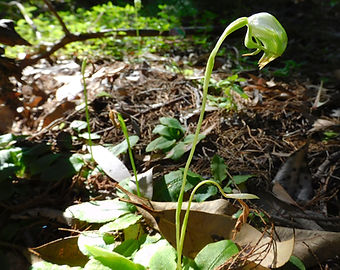
Greenhood (Pterostylis nutans) orchid numbers on Coochiemudlo are dwindling. They are ground orchids that emerge from colonies of underground tubers before dying down in hot weather. These little orchids are pollinated by insects that become temporarily trapped, before escaping with pollen that they take to the next plant. Australian research suggests that climate and land use changes are putting many orchid pollinators under pressure, which in turn, reduces plant populations
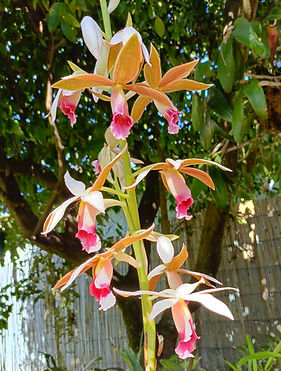
Phaius australis (Common swamp orchid) is classified as endangered and is facing a very high risk of extinction in the wild. Land clearing, hydrological change, invasive weeds and theft are among its major threats. It is the largest Australian orchid and its stems of brownish maroon flowers have a lovely spicy fragrance.
Wild harvesting of these orchids is strictly illegal.

Pixie caps (Acianthus fornicatus) These cute little ground dwelling orchids have heart shaped green leaves and tiny pinky-red 'pixie' flowers. Fornicatus in the botanical sense, refers to the hood shape of the orchid flowers. Like many other Australian terrestrial orchids, it is dependent no soil fungi and grows in large colonies that die down after flowering.
A selection of our plants for sale
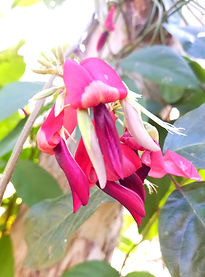
Kennedia rubicunda Dusky coral pea

Petalostigma triloculare Quinine

Alpinea caerulea Native ginger
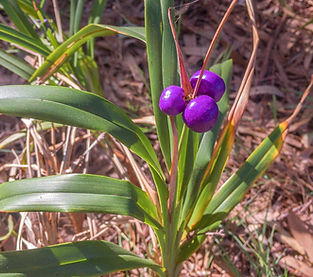
Dianella sp.

Acacia fimbriata (Brisbane Wattle)

Abelmoschus moschatus subsp. tuberosus

Actinotus helianthi (Flannel flower)

Dodonaea triquetra (Hop bush)

Viola banksii
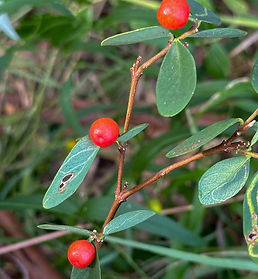
Wikstroemia indica (Tie bush)
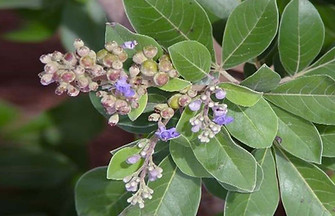
Vitex trifolia (Coastal vitex)
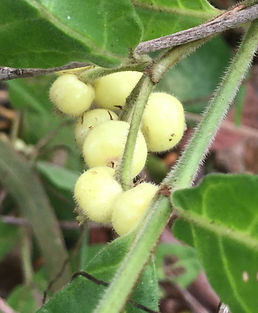
Psychotria loniceroides

Hakea actites Wallum hakea

Melastoma affine (Native tibouchina)

Prostanthera ovalifolia (Native mint, Native thyme)


Rubus sp. (Native raspberry)

Phaius australis

Crinum pedunculatum
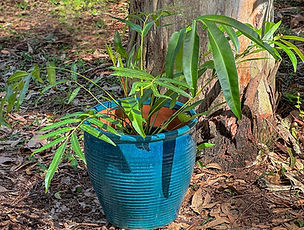
Acrostichum speciosum
(Mangrove fern)

Sophora tomentosa
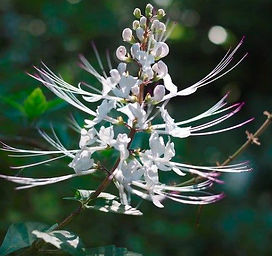
Orthosiphon aristatus
(Cat's whiskers)

Geranium solanderi
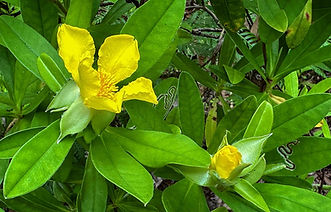
Hibbertia scandens (Snake vine)

Hovea acutifolia

Hoya carnosa
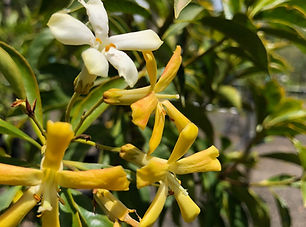
Hymenosporum flavum
(Native frangipanni)
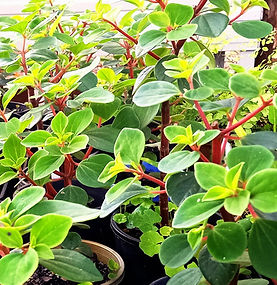
Peperomia blanda
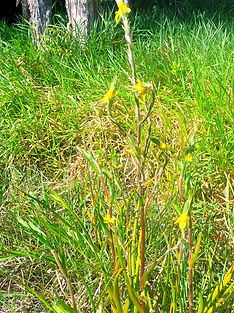
Philydrum lanuginosum
(Woolly frogmouth)

Plumbago zeylanica Native plumbago

Platycericum bifurcatum (Elkhorn fern)
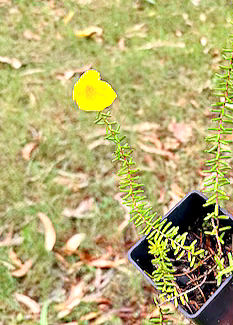
Hibbertia vestita

Grevillea sp.

Hoya australis

Trachymine incisa

Pomax umbellata


Lomandra multiflora
Proiphys cunninghamii (Brisbane Lily)

Corchorus cunninghamii (Native jute)

Wahlenberia stricta (Australian bluebell)